Signs You May Need Professional Leak Repair in Little Elm, TX Before Water Damage Gets Worse
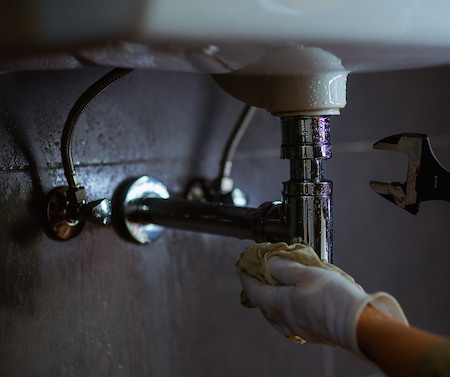
Small leaks turn into big headaches fast. If you suspect a hidden plumbing issue, getting trusted leak repair in Little Elm, TX can prevent swollen floors, mold, and costly structural damage. If your home shows any of the signs below, schedule prompt plumbing repairs with a licensed pro who understands North Texas homes.
What Leak Repair Looks Like in Little Elm, TX Homes
Most Little Elm houses sit on concrete slab foundations and run water lines under floors and through walls. That means a tiny pinhole inside a wall or under the slab can spread water sideways before you see a drip. Nearby neighborhoods like Paloma Creek, Frisco Hills, and Union Park share similar soil and foundation conditions, so the warning signs tend to look the same across town.
When a professional arrives, they focus on finding the source with noninvasive tools first, then choosing the least disruptive repair. That protects finishes while stopping the moisture at the root.
Early Warning Signs of a Hidden Plumbing Leak
Hidden leaks rarely start with a puddle. Watch for small but persistent changes around your home. If one or more show up, it’s time to bring in a licensed plumber for residential leak detection.
- Warm spots on tile or laminate that don’t match nearby areas. That often points to a hot water line leak in the slab.
- Flooring that cups, buckles, or separates along baseboards, especially near kitchens and bathrooms.
- Musty or earthy odors that linger even after cleaning, signaling trapped moisture in walls or cabinets.
- Fresh cracks creeping across drywall or along door frames after recent rain or watering cycles.
- Faint hissing behind a wall when fixtures are off, or the sound of water moving when no one is using it.
- Spots of damp carpet with no known spill, or darkened grout lines that stay wet.
Ceiling stains under an upstairs bath, rust on water heater pans, and recurring mold along baseboards are also red flags. **Brown stains or bubbling paint are early water damage flags.**
High Water Bill Causes That Point to a Leak
In North Texas summers, irrigation can mask a leak. Still, a sharp jump in usage month to month, with the same watering schedule, deserves attention. So do these patterns:
- Usage that never drops overnight. Your meter should rest when the home is quiet.
- A spike after guests leave or a holiday, then it doesn’t fall back to normal.
- Higher bills in cooler months when sprinklers are off.
**Never ignore a sudden spike in your water bill.** A pro will separate normal seasonal use from waste caused by a worn toilet flapper, a slab leak, or a main line seep between the meter and your house.
Why Leaks Get Worse Fast on North Texas Slab Foundations
Our clay-rich soils swell when wet and shrink when dry. That movement can stress buried copper or PEX lines where they pass through the slab. Over time, joints can rub, pinholes can form, and warm water leaks may “self-hide” by evaporating into the slab until they spread beyond the warm zone. Add pressure changes from city supply or aging valves, and a tiny drip can turn into a steady flow.
Because most of the plumbing is hidden, you may not see visible water until cabinets swell or baseboards separate. **Call a licensed plumber at the first sign of a leak.** Acting early limits demolition and helps protect flooring, cabinets, and the foundation.
How Professionals Confirm a Leak Without Tearing Up Your Home
Today’s residential leak detection blends experience with technology. Your technician may:
Use acoustic listening to detect water movement under the slab, employ thermal imaging to spot temperature changes behind walls, and perform pressure or isolation testing to narrow the line with the problem. Moisture mapping helps outline how far water has traveled so repairs target the source and the affected materials.
If your home’s fixtures are aging or past repairs didn’t hold, your plumber might recommend targeted line replacement rather than a single spot fix. That choice is about reliability and preventing repeat leaks on the same run. To understand how experts approach pinpointing leaks, you can skim this short article from our team: leak detection services: leave it to the colony experts.
Hidden Water Leak Signs in Specific Rooms
Every space shows clues a little differently. Here is what professionals look for during inspections around Little Elm homes:
Kitchens. Swollen cabinet toe-kicks, a musty smell when you open the sink base, or laminate seams lifting near the dishwasher. Granite or quartz counters can hide slow leaks because water runs under cabinets instead of onto the floor.
Bathrooms. Loose or hollow-sounding tiles, fresh caulk cracks around tubs, and damp corners where shower glass meets walls. Toilets that refill between uses can signal tank or supply leaks, and long-term leaks can stain ceiling drywall below.
Water heater closets and laundry rooms. Rust-colored streaks in the pan, soft drywall near supply lines, or buzzing from a constantly running fill valve. If your system is older, cross-check any moisture concerns with your tank’s age and maintenance record.
When It’s Time to Call for Plumbing Leak Repair
If you see two or more signs, do not wait until floors are damaged. A licensed technician will verify the problem and recommend the best repair path. In many cases, addressing the issue early allows a clean, minimally invasive fix with limited patching.
For a complete repair that restores reliability, schedule professional plumbing repairs with a local team that knows Little Elm soils, water pressure ranges, and slab construction.
Water Damage Prevention Starts Before You See Water
Protecting your home is about acting on trends, not just puddles. Here are practical indicators pros use to determine next steps:
Consistent humidity spikes indoors. Unexpected humidity in a single room can reveal hidden moisture. Pair that with a musty smell or wall discoloration and you have cause to investigate.
Repeat “phantom” clogs. If the same bath or kitchen drain slows after recent clearing, moisture could be deteriorating piping or allowing buildup that returns quickly. A drain line inspection may be recommended. If your technician suspects buildup or recurring obstructions, they may point you to targeted service like drain cleaning to restore healthy flow and reduce future risks.
Aging water heater connections. Corroded flex lines or valves can drip slowly and spread damage across nearby floors and walls. If your system is due for service, see the options on our water heaters page.
Slab Leak Warning Signs You Shouldn’t Overlook
Slab leaks can remain invisible while they cause the most harm. Keep these top signals in mind around your Little Elm home:
- Warm or damp flooring with no appliance nearby
- Baseboards separating from walls in a localized area
- Cracks forming on tile or along drywall seams after rain cycles
- Water meter movement when all fixtures are off
Hot water slab leaks are common since heated water can soften surrounding materials. **Warm spots on slab floors point to a hot water line leak.** A professional will confirm with thermal imaging and acoustic testing before choosing a spot repair, reroute, or other method suitable for your home.
What Your Plumber Will Do First
After a walkthrough, the technician isolates branches of your plumbing to test pressure and flow, checks suspect fixtures, and uses listening or infrared tools to confirm the source. The goal is a clear plan that solves the problem once and protects surrounding finishes.
Depending on what they find, your plumber may recommend a direct repair, a short reroute that avoids stressed soil or vibration points, or replacement of a run that has reached the end of its useful life. Recommendations vary by home layout, line material, and where the leak sits in the system.
Local Context: Little Elm Homes and Seasonal Stress
Hot summers by Lewisville Lake raise attic temps and expand materials, then cooler snaps tighten everything up. Irrigation cycles keep soils around foundations wet in some seasons and dry in others. That movement transfers to pipes where they pass through or alongside the slab. Staying alert to subtle changes in floors, baseboards, and monthly water usage helps you catch problems before they spread.
When you are ready to act, you can start at our home page. If you need a trusted team for leak repair in Little Elm, TX, we are here to help.
Ready to Protect Your Home? Here’s Your Next Step
Water finds the easiest path. Give it one that leads out of your home. If you notice warm flooring, a stubborn musty odor, or bills that keep rising without reason, bring in a licensed professional. You can learn more about targeted fixes on our leak repairs page, then schedule the repair window that works for you.